
Custom AI Development and Software Solutions
SensViz is an AI software development company that builds custom AI systems and software products for startups and growing businesses. Our work includes agentic AI, generative AI applications, business automation, SaaS platforms, web apps, and mobile apps.
Products and businesses built with SensViz










Why Businesses Choose SensViz
AI works best when the model, software, data, and operating process are designed together. SensViz keeps those decisions connected throughout the project.
Start with a defined use case
We clarify the user, workflow, constraints, available data, and expected result before recommending an AI or software approach.
AI and product engineering
The AI capability is designed with the interface, application logic, data flows, APIs, and software people need to use it.
Integration planned early
Existing databases, CRMs, business tools, permissions, and third-party services are considered before they become late-stage blockers.
Human-Centric AI Design
We define where people need to review, approve, correct, or take over, especially when an AI output or action affects customers or business decisions.
Testing beyond the ideal case
Critical journeys, weak inputs, model uncertainty, workflow failures, and integration errors are considered before release.
A clear handover path
Access, accounts, documentation, deployment responsibilities, support, and future changes are defined according to the agreed project scope.
How SensViz Turns an Idea into Working Software
Each project has different constraints, but the important decisions follow a clear order from discovery through release and improvement.

01. Discovery
Define the users, problem, workflow, existing systems, constraints, and business outcome behind the project.
02. Requirements and Data Review
Confirm the information, integrations, permissions, quality targets, and operational conditions the solution must handle.
03. Solution Design
Choose a suitable AI and software architecture, then map the interfaces, data paths, actions, review points, and failure handling.
04. Build and Integrate
Develop the agreed components and connect them to the approved products, data sources, APIs, and business tools.
05. Test, Release and Improve
Evaluate the important workflows, prepare the release, observe real use, and prioritise improvements within the agreed support scope.
AI and Software Development Services
Choose the service that matches the main job. SensViz can build a specialist AI capability, connect it to an existing product, automate a workflow, or develop the software around it.
AI and Software Used in Real Products
These projects show different ways AI can support a product or service. Each example identifies the problem, the relevant technology, and the SensViz role.

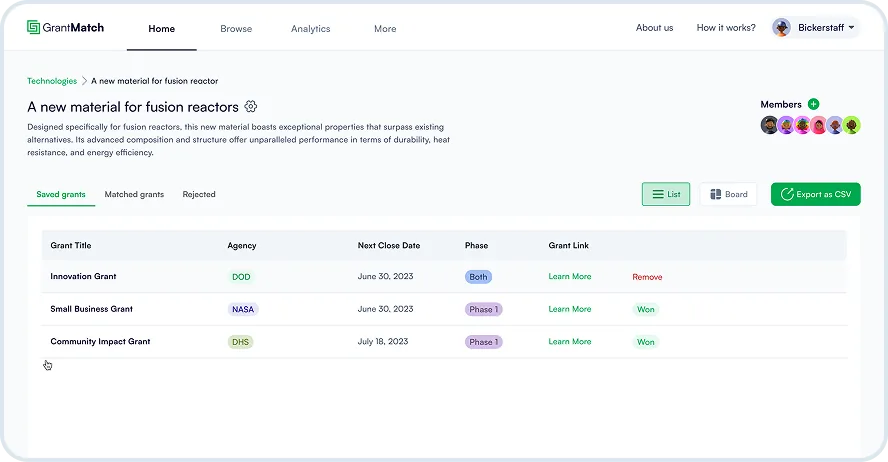
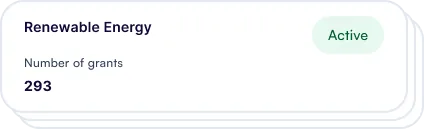
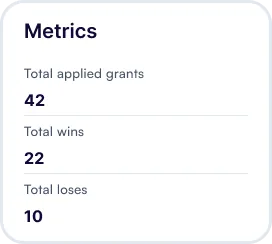
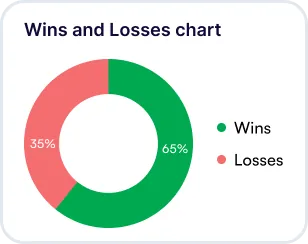
GrantMatch
A grant-matching platform that uses large language models, a recommendation engine, and a vector database to help users find relevant funding opportunities.

CVJury
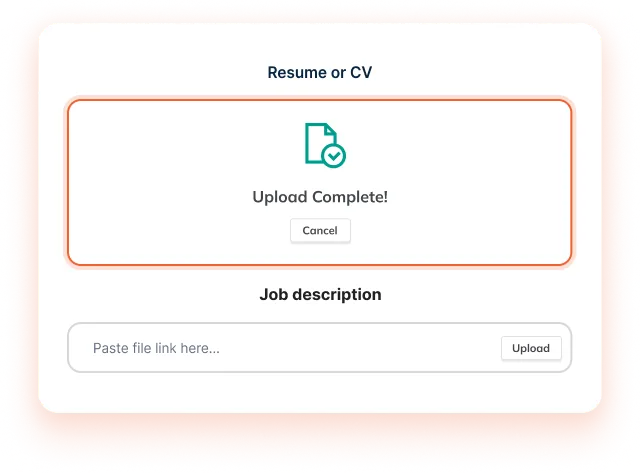
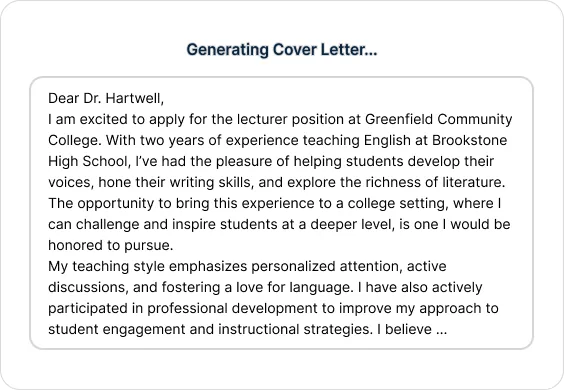
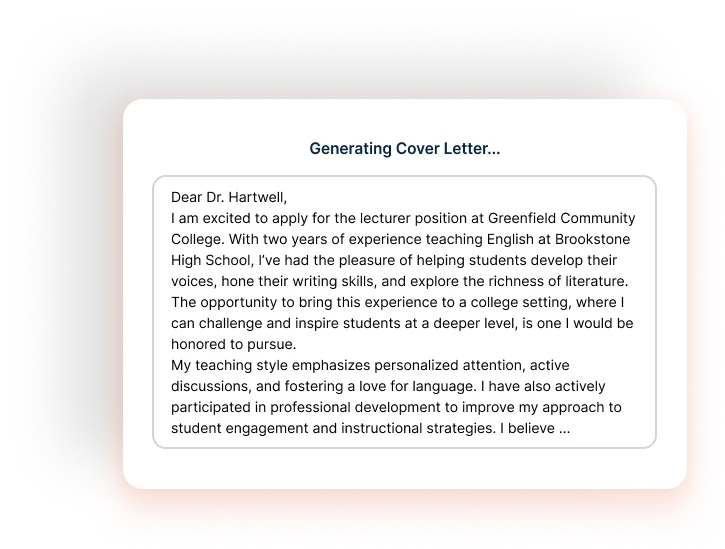
A cover-letter product that uses large language models and natural language processing to generate content based on a user’s role and field.

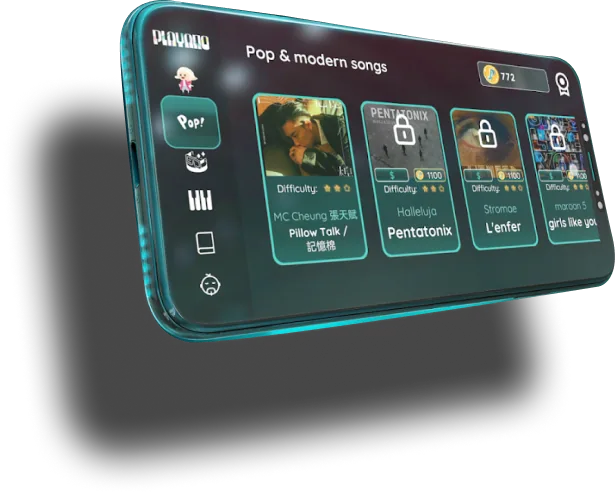
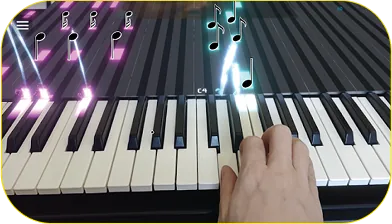
Playano
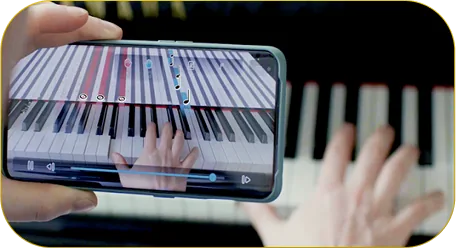
A piano-learning product that uses computer vision to provide visual guidance while a learner plays.

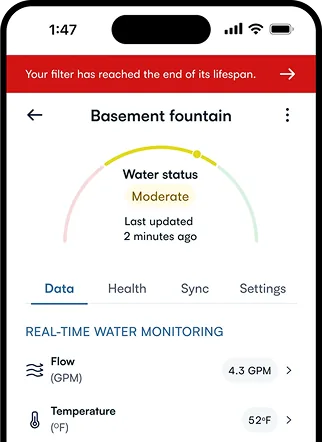
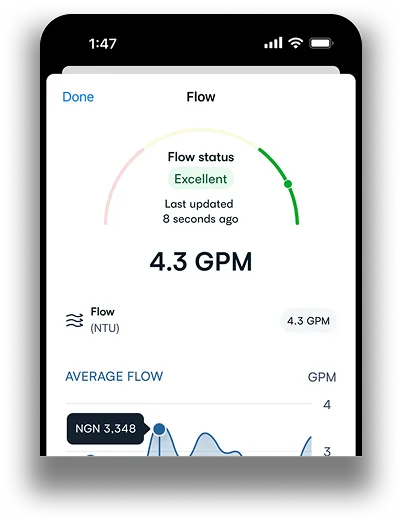
SIPP
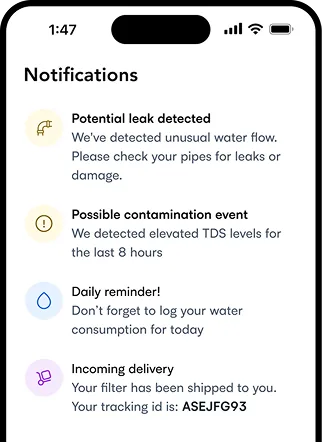
A water-quality product that uses time-series forecasting to analyse trends and support water monitoring.

AR Tile
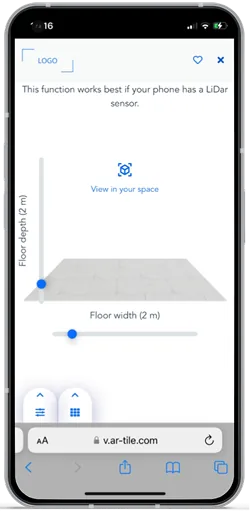
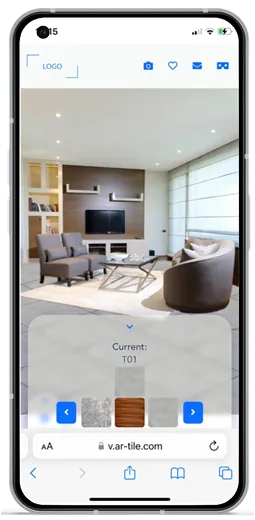
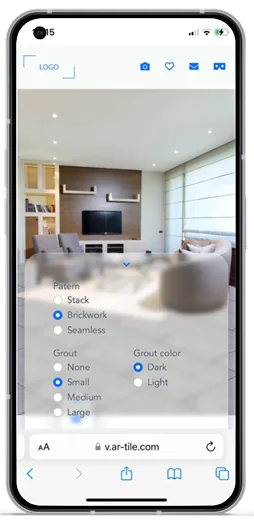
A flooring visualisation product that combines computer vision and augmented reality to preview flooring in a photographed space.
Testimonials
What Our Clients Say

SensViz has helped the client increase their revenue by 800%-900% over the past five years. The team delivers work with speed and consistency, and their responses are impeccable and precise. The client also praises SensViz's work culture, which is very nice and well-rounded.
Peter Nguyen
Founder, Fossilite





Tell Us What the Software Needs to Do
Share the users, workflow, systems, and outcome behind your project. SensViz will review the requirement and recommend a sensible next step for discovery, design, development, or integration.